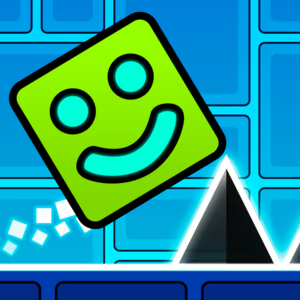
Hyper Cube Challenge
 Hyper Wave Trial
 Infrunami
 On On Dash
 Geometry Dash Retray
 Slope 3
 Gaminia
 Wave Race
 Geometry Dash Wave
 Geometry Dash
 Geometry Dash Wave Challenge
 Geometry Dash Spam
 Geometry Dash Nine Circles
 Geometry Dash Press Start
 Geometry Dash Sonic Wave
 Geometry Dash Scratch
 Geometry Dash Breeze
 Geometry Dash Bloodbath
 Geometry Dash World
 Geometry Arrow
 Geometry Vibes 3d
 Geometry Dash Hairless Adventure
 Geometry Vibes
 Geometry Dash Onward
 Geometry Dash Subzero
 Geometry Dash Lite
 Geometry Dash Switch
 Geometry Dash Deadlocked
 Geometry Dash Demons
 Geometry Dash Extrapolation
 Geometry Dash Meltdown
 Geometry Dash Tidal Wave
 Geometry Dash Meltdown 3d
 Geometry Dash Spam 3D
 Geometry Dash Lite 3D
 Geometry Dash Wave 3d
 Geometry Dash Subzero 3D
 Geometry Arrow 3D
 Space Waves
 Geometry Dash Daily Level: Dream World
 Geometry Dash Breeze 3D
 Shape Rush
 Geometry Dash 3D
 No Broke Dash
 Geometry Dash Suponho
 Another Drink Dash
 Geometry Dash Slow
What Is Hyper Cube Challenge?
Hyper Cube Challenge is an arcade platformer with rhythm elements that puts players in control of a cube navigating tracks filled with obstacles. Developed by IceRainWave using GameMaker, the game delivers a 2D side scrolling experience that focuses on quick reflexes and precise timing.
The main goal in each level is to guide the cube to the finish line without hitting obstacles or falling off the track. Its standout feature is the automatic running mechanic: the character constantly moves forward, leaving players to focus entirely on jumping. This design removes complicated movement controls while demanding sharp observation and good judgment.
Combining arcade, platforming, and rhythm elements, Hyper Cube Challenge blends obstacle dodging with musical beats. Every jump must happen at the right moment, especially when hazards appear one after another and the time available to react becomes increasingly limited.
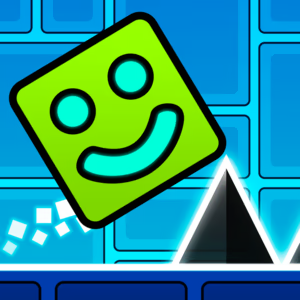
Figure 1. A challenging level tests the player's timing and precision
How Does Hyper Cube Challenge Turn Simple Jumps into a Real Test?
Master the Jumping Mechanic with a Single Button
Hyper Cube Challenge uses a simple control system that lets players jump with the left mouse button, Spacebar, or a screen tap. A single press makes the cube leap over an obstacle ahead, while holding the button allows it to keep jumping as it lands.
Knowing when to use each action is essential to completing the levels. A single jump works well for isolated obstacles or gaps that require one precise leap. Holding the button, on the other hand, helps players handle sections with multiple spikes or closely spaced hazards, where pressing the button repeatedly may leave too little time to react.
Despite having just one control button, the game requires careful timing with every action. Jumping too early may cause the character to land right before the next obstacle, while reacting too late can lead to a collision. Choosing between a quick press and a sustained hold is therefore key to maintaining a safe run.
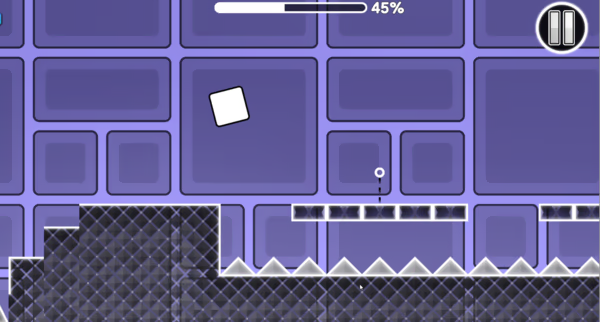
Figure 2. Cube jumping across geometric platforms
Dodge Spikes, Gaps, and Dangerous Obstacles
The tracks in Hyper Cube Challenge feature various hazards that can bring a run to an abrupt end. Spikes are among the most common threats, requiring players to judge the right jump height and timing to avoid contact. Gaps between platforms also demand precise leaps to ensure the cube lands safely on the other side.
The challenge becomes more complicated when different obstacles appear in succession. Players may need to clear a row of spikes immediately after landing from a previous jump or navigate several gaps with varying distances between them. In these situations, focusing only on the obstacle directly ahead is often not enough to stay safe.
Collect Coins Along the Way
In addition to completing levels, Hyper Cube Challenge encourages players to collect coins scattered along the track. These items provide an extra objective in each stage, making the journey about more than simply avoiding obstacles.
However, coins sometimes appear near dangerous areas, requiring players to consider their jump trajectory before going after them. An inaccurate leap may help reach an item but could also send the cube crashing into spikes or falling off the track. Therefore, players should consider the surrounding layout before deciding when to collect coins rather than chasing every item they see.
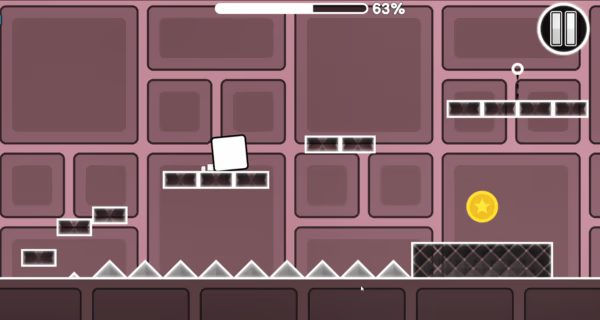
Figure 3. A difficult jump awaits the cube ahead
Hyper Cube Challenge Controls
The control system is simple, allowing players to get started quickly on both computers and mobile devices.
On Computer
- Jump: Left mouse button or Spacebar.
- Continuous jumping: Hold the left mouse button or Spacebar.
- Place a checkpoint: Press Q in Practice Mode.
- Remove the most recent checkpoint: Press E in Practice Mode.
On Mobile
- Jump: Tap the screen once.
- Continuous jumping: Hold your finger on the screen.
With such straightforward controls, players do not need to spend much time memorizing key combinations. Instead, they can focus on observing the track and timing each action.
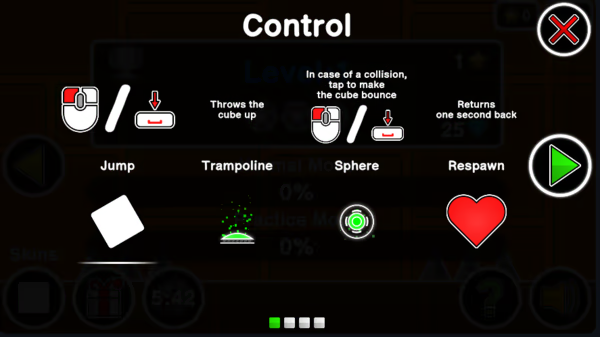
Figure 4. Navigating tricky paths and sharp turns.
Conquer 20 Levels with Increasing Challenges in Hyper Cube Challenge
Hyper Cube Challenge features 20 levels that take players from introductory challenges to tracks requiring much greater precision. In the early stages, obstacles are spaced relatively far apart, giving players time to understand how the cube moves and get comfortable with the jumping rhythm.
As players progress, the track layouts become more complex, with sequences of obstacles appearing one after another. They must switch smoothly between single jumps and holding the button while watching where the cube will land to prepare for the next hazard. As the time available to react becomes shorter, relying on instinct alone is no longer enough to complete each section consistently.
The final levels place greater demands on memory and control. Even a small mistake can end a run, especially in sections packed with spikes and gaps. This gradual increase in difficulty encourages players to keep trying, learn from each failed attempt, and improve their skills one level at a time.
Discover the Collectible Items in Hyper Cube Challenge
Alongside the obstacles players must overcome, Hyper Cube Challenge features several types of collectibles throughout the game. The four categories are Crystals, Coins, Cups, and Stars, adding another layer of collection goals beyond simply reaching the finish line.
- Crystals: Crystal shaped items that add another collectible objective to each stage.
- Coins: Familiar collectibles scattered along the track, encouraging players to explore and find suitable jumps to reach them.
- Cups: Trophy shaped items that provide another collection target alongside coins.
- Stars: Star shaped symbols that add variety to the items players can collect.
These four collectible types give each level additional objectives beyond reaching the finish line. Players need to watch where they appear and consider whether the surrounding terrain allows them to reach each item safely. However, collecting them should not take priority when a jump could put the character at risk of hitting an obstacle.
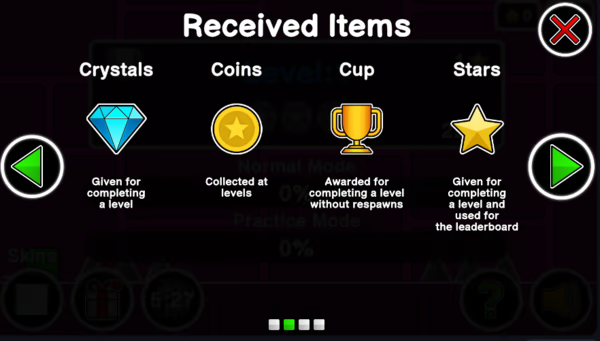
Figure 5. Geometric levels filled with tricky jumps
Tips and Strategies to Beat Hyper Cube Challenge
Completing the harder levels requires a combination of quick reflexes and the ability to remember track layouts. The following tips can make practice more effective:
- Look Ahead Before Jumping: Pay attention to both the upcoming obstacle and the landing area to avoid running into trouble immediately after clearing the first hazard.
- Know When to Tap and Hold: Use a single jump for isolated obstacles and hold the button when a section requires consecutive jumps.
- Remember Obstacle Patterns: After each failed attempt, pay attention to where and when your timing went wrong so you can improve on the next run.
- Prioritize Safety When Collecting Items: Avoid chasing Crystals, Coins, Cups, or Stars if their positions make clearing the obstacles too risky.
- Make Use of Practice Mode: Place checkpoints before difficult sections so you can retry them and find the right jump timing without restarting the entire level.
Ready to Take on the Hyper Cube Challenge?
Hyper Cube Challenge delivers an arcade platforming experience built around reflexes, rhythm, and precise timing. Its combination of 20 increasingly difficult levels, simple controls, and collectible items creates a journey filled with different goals to pursue. If you enjoy the obstacle dodging style of the Geometry Dash series, especially the Polargeist level with its consecutive jumps and timing challenges, this game is worth trying as another way to test your reflexes and patience.